

Startup Funding

Related Guides

Trending

The most popular articles on Startup Funding in the past day.

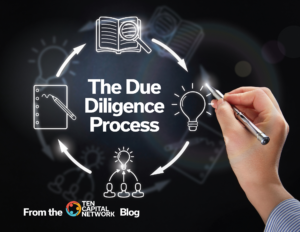
The Due Diligence Process

2 min read. The Due Diligence Process When embarking on a new investment, it’s essential to have a Due Diligence process in place to check the basics. This process will vary from deal to deal based on the risks associated with each one. Start by making a list of your concerns. In most cases, you’ll sign a terms sheet with funding contingent on due diligence. It helps to tell the company about your diligence process, such as what documents are required, what steps you take, and how long it will be, thereby eliminating the “how is it going” calls. There are three phases to diligence: Documentation Diligence, Team Diligence, and Domain Diligence. Documentation Diligence Ask the startup for a list of critical documents. If they are not all in one spot, ask the team to put them into a Google Drive folder or create a more secure Box.com account. It’s common for startups to continually add to their diligence boxes and have many people view them simultaneously, so keeping everything in one place is very helpful. The primary documents should be: Entity filings and articles of incorporation Patent filings Income statement Balance sheet statement 3-5 year financial projections Cap table Other documents related to the business, such as lawsuits, product breakdowns, customer breakdowns, etc., should be requested. Read each document and check to see if it matches what you understood about the deal. Note any differences and ask for clarification. You must review the diligence documents so you understand the business. You may need to sign a Non-Disclosure Agreement (NDA) for sensitive information. It’s standard practice to do so, as the documentation should be kept confidential, even without an NDA in place. Team Diligence Thoroughly researching the startup’s team is the most critical part of the Due Diligence process. Meet with the team and assess their skills. In almost every startup failure, the investor can trace it back to the team not being up to the task. It may be the task was underestimated by all upfront, but with the right team, the company can succeed. Gather references for the CEO and call them up to hear what they have to say about the founder, including management style, how they pivot, and their team dynamics. In most cases, you’ve heard the CEO pitch, but it’s essential to understand the CEO’s skill set, including what is there and what is not. The rest of the team needs to bring the necessary skills to succeed. Domain Diligence Let’s break this process down into steps: Research the competition to determine the company’s position in the marketplace Check the positioning of the company in the marketplace Identify the value proposition and how well it resonates with customers Look at their pricing compared to the competition Check the industry to see the conditions in which it will grow or decline Once you finish your diligence and have your questions answered, ask for their wiring instructions Remember, break it down into baby steps Finally, use the model of “fast no’s and slow yes’s” in reviewing a deal so the entrepreneur is not chasing you for a response.   Read More TEN Capital Education Here Hall T. Martin is the founder and CEO of the TEN Capital Network. TEN Capital has been connecting startups with investors for over ten years. You can connect with Hall about fundraising, business growth, and emerging technologies via LinkedIn or email: hallmartin@tencapital.group
Due Diligence Box: What Is It and How to Prepare One

2min read Due Diligence Box: What is it and How to Prepare One After an investor expresses interest in funding your deal, the first question to ask is: “What is your diligence process?” Having a due diligence box with the standard documents helps a great deal. It shows you are prepared and typically only requires minor additions for each investor.    The Due Diligence Process While most diligence processes follow the same document review and analysis format with a round of follow-up questions, each investor has their own start time, work timeframe, and specific documents they look for. It’s best to ask for their process, and then follow along with it. If the investor does not have a specific process, then presenting the due diligence box should be enough. For new investors who are not sure what to do, you can offer to walk them through the diligence document by showing them all the relevant information. It can be helpful to contact the associate or analyst who will be doing the detailed work and open a direct line of communication with them. By building a rapport, you may contact them directly for progress status and updates. You can also position your calls as opportunities to answer questions and to help the associate find specific pieces of information. Investors are busy and can get drawn away by other deals, so it’s important to be timely with your follow-up. Having a due diligence box with the standard documents greatly helps with this. It shows you are prepared, and typically only requires minor additions for each investor.   Due Diligence Box In preparing a due diligence box, also called a data room, there are basic documents to include. These documents consist of:  Income Statement and Balance Sheet 3-5-year Financial Forecast Cap Table- including shares outstanding Entity Filings including Articles of Incorporation Intellectual Property Filings- including patents, trademarks, etc. C-level Team Resumes  There may be other documents you may need to add based on your situation.   Reps and Warranties Contract One document that is helpful but not required to include in the due diligence box is a reps and warranties contract. Information taken in by investors about a startup’s product, team, financials, revenue, and more can change rapidly during the startup phase of the business. One method of assuring the investor the information provided is true and accurate is for the startup to sign a Reps and Warranties contract. This is often tied to the diligence provided.   This contract states that everything provided in the diligence is true and accurate and that no material has been omitted. If it later turns out that there’s a material difference between the business and the diligence, then the Reps and Warranties contract provides legal recourse to the investor for recovering any damages. For example, if the financial statements indicate there’s no debt in the business, then the investor assumes the business is debt-free. If the startup does in fact have debt, then the investor can take legal action against them.  Some investors demand such a contract to be signed to ensure they have the full picture of the business. Signing a Reps and Warranties Contract can strengthen a startup’s case on the diligence provided.   Read More TEN Capital Education Here Hall T. Martin is the founder and CEO of the TEN Capital Network. TEN Capital has been connecting startups with investors for over ten years. You can connect with Hall about fundraising, business growth, and emerging technologies via LinkedIn or email: hallmartin@tencapital.group

Site Map

Scroll to Top