

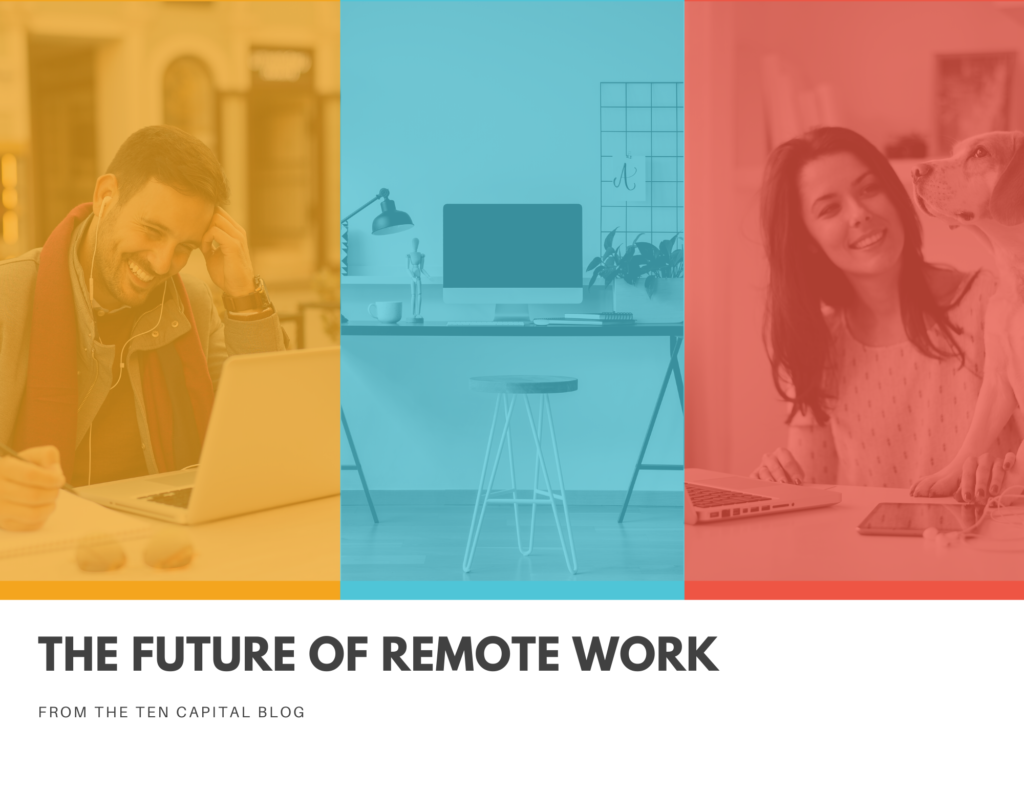
As little as ten years ago, most jobs required spending 40+ hours each week working in an office, maybe another 10+ commuting to and from that office, and sharing a space with your coworkers was the norm.
In recent years, the way companies are doing business and running their offices has shifted rapidly.
There are millions of remote workers across the globe. Where we once had coworkers living in our same neighborhoods, we now have coworkers in different time zones, maybe even countries.
While many of us can work remotely, comfortable in our pajamas, there are drawbacks to the isolation.
We’re not interacting with others the way we are socially inclined to do. We find ourselves with nowhere to go to perform our work and loneliness has slowly started to become an epidemic.
Working from coffee shops can be a less productive work experience, so we turn to coworking spaces. The problem is, these spaces can be prohibitively expensive for many.
The benefits of coworking spaces are numerous. They offer remote workers a productive space to work and In many cases, they provide the social interaction we lack by not working with a traditional company in a conventional office.
However, if we are to use these coworking spaces as intended, there first needs to be a disruption within the sector. That disruption starts with cost-effective solutions that meet the needs of all remote workers.